
Breaking: TASARU Supplier Hub Signs 5 Global Tier-1 Suppliers for Saudi Auto Localization
Saudi Arabia's automotive manufacturing ambitions just took a massive leap forward. TASARU Supplier Hub, developed by Tasaru Mobility Investments, has signed agreements with five global Tier-1 automotive suppliers to localize critical component manufacturing within the Kingdom.
Announced at the 4th PIF Private Sector Forum 2026, this strategic move positions Saudi Arabia as a serious player in the global automotive supply chain. The hub is located within Masarat Mobility Park at the King Salman Automotive Cluster in King Abdullah Economic City (KAEC).
Here's why this matters for the GCC automotive landscape.

What This Means for Saudi Arabia's Auto Industry
The TASARU Supplier Hub represents a fundamental shift in Saudi Arabia's industrial strategy. Instead of just assembling vehicles, the Kingdom is now building the complete ecosystem needed for sustainable automotive manufacturing.
These five global suppliers will use shared "plug-and-play" infrastructure to produce critical components for OEMs operating in Saudi Arabia. The primary beneficiaries will be Ceer, Saudi Arabia's first electric vehicle brand, and Lucid Motors, which already produces vehicles at its KAEC facility.
Michael Mueller, CEO of Tasaru Mobility Investments, put it perfectly: "By attracting tier-1 global critical suppliers, the Kingdom is not just participating in the automotive race; it is building the track. These partnerships advance economic diversification and deliver long-term industrial resilience through strategic localisation."
The Five Global Suppliers and Their Components
Let's break down exactly who's coming to Saudi Arabia and what they'll be manufacturing:
1. Shin Young (South Korea) - Metal stamping for structural body-in-white production. This is critical for vehicle chassis and structural integrity.
2. JVIS (USA, via JVIS KSA) - Injection-moulded exterior plastic parts including body panels and bumpers. These components are essential for vehicle exteriors.
3. Benteler (Germany) - Subframes, axles, and hot-formed structural components. German engineering excellence meets Saudi manufacturing.
4. Guangxi Fangxin (China) - Instrument panels, centre consoles, and door panels. These interior components define the driver experience.
5. Lear Corporation (USA) - Automotive seating and foam production. Comfort and safety come together in these critical components.
Each supplier brings specialized expertise that collectively creates a comprehensive manufacturing ecosystem. The shared infrastructure model reduces costs and accelerates setup timelines.
Strategic Impact on Vision 2030 Goals
This announcement directly supports Saudi Arabia's Vision 2030 economic diversification objectives. The automotive sector is a key pillar in reducing the Kingdom's dependence on oil revenues.
The TASARU Supplier Hub will create thousands of high-skilled jobs for Saudi nationals. More importantly, it will train locals in advanced automotive engineering and manufacturing techniques.
Proximity to KAEC's port and logistics facilities gives these suppliers a strategic advantage. They can serve not only the Saudi market but also export to the wider MENA region and beyond.
The localization of critical components reduces supply chain vulnerabilities and import costs. This makes Saudi-manufactured vehicles more competitive in regional and global markets.
GCC Market Implications
For car buyers across the GCC, this development has significant implications. Localized supply chains mean potentially lower costs for vehicles manufactured in Saudi Arabia.
The production goals are ambitious: 500,000 vehicles annually by 2030. This includes electric vehicles from Ceer and Lucid Motors, aligning with the Kingdom's Green Initiative for sustainable transportation.
As Saudi Arabia builds its automotive manufacturing capacity, GCC consumers can expect:
- More competitive pricing for locally-produced vehicles
- Shorter delivery times for popular models
- Increased availability of electric vehicles in the region
- Greater parts availability for after-sales service
The ripple effects will be felt across the entire GCC automotive market. Saudi Arabia is positioning itself not just as a consumer market, but as a manufacturing hub for the region.
What's Next for Saudi Automotive Manufacturing
The TASARU Supplier Hub agreements mark a critical milestone, but they're just the beginning. With infrastructure already in place at KAEC, we can expect rapid deployment of these manufacturing facilities.
The shared infrastructure model means these suppliers can begin production faster than traditional standalone facilities. This accelerates Saudi Arabia's timeline to become a meaningful automotive manufacturer.
Look for announcements about specific production start dates in the coming months. The suppliers will need to establish their operations, hire and train local staff, and begin supplying components to Ceer and Lucid.
The success of this hub will likely attract additional suppliers in the future. As the ecosystem grows, Saudi Arabia's automotive manufacturing capabilities will become increasingly sophisticated.
The Bigger Picture: Saudi Arabia as Auto Manufacturer
This isn't just about building cars in Saudi Arabia. It's about creating a complete industrial ecosystem that can compete globally. The TASARU Supplier Hub represents the supply chain foundation needed for sustainable automotive manufacturing.
By localizing Tier-1 suppliers, Saudi Arabia reduces its dependence on imported components. This creates industrial resilience and supports the Kingdom's broader economic transformation.
The timing is strategic. As global automotive supply chains reconfigure post-pandemic, Saudi Arabia is positioning itself as an attractive manufacturing location with excellent logistics and supportive government policies.
For the GCC automotive market, this means more choices, potentially better prices, and increased regional manufacturing capacity. Saudi-made vehicles could soon become common sights on roads across the Arabian Peninsula.
The race to build Saudi Arabia's automotive industry just accelerated dramatically. With five global Tier-1 suppliers now committed, the Kingdom is truly "building the track" for its automotive future.
Source: Automotive World, Saudi Gulf News
Related Articles
Saudi Arabia Builds the Track: TASARU Hub Partners With 5 Global Giants to Make Cars Local
Saudi Arabia's TASARU Supplier Hub signs deals with five global Tier-1 suppliers to localize car part manufacturing, boosting Ceer & Lucid production and GCC's automotive future.
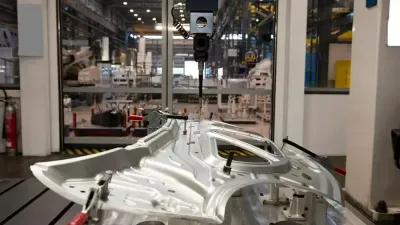
MASARAT Mobility Park Signs FPI Gulf as Anchor Tenant for Advanced Auto Parts Manufacturing in Saudi Arabia
MASARAT Mobility Park announces FPI Gulf as anchor tenant for advanced automotive parts manufacturing facility in Saudi Arabia, boosting Vision 2030 localization.

Saudi Auto Recycling Sector Shifts Towards Formalisation — What It Means for Car Owners
Saudi Arabia's auto recycling market is moving from informal scrap yards to licensed facilities, driven by Vision 2030 and stricter environmental laws. Here's how it affects parts availability, pricing, and ELV disposal.