
Saudi Auto Recycling Sector Shifts Towards Formalisation — What It Means for Car Owners
Saudi Arabia's auto recycling industry — long dominated by unlicensed scrap yards and individual traders — is finally moving toward formalisation. And for anyone buying, selling, or scrapping a car in the Kingdom, this shift matters.
Tighter environmental regulations, the circular economy push under Vision 2030, and growing volumes of end-of-life vehicles (ELVs) are pressuring the sector to clean up its act. But the transition is gradual, and challenges remain.

How the Saudi Auto Recycling Market Currently Works
The market is split into two distinct worlds.
On one side, there's the large informal sector: unlicensed scrapyards, individual part traders, and backyard workshops. These operators rely on personal trust networks and undercut formal recyclers on price. They handle a significant chunk of the Kingdom's ELV volume.
On the other side, a smaller but growing formal sector consists of licensed facilities that comply with environmental and safety standards. These operators invest in advanced technology for higher metal recovery rates and proper hazardous waste handling — but they face constant price pressure from the grey market.
Salem Bal Harith, Founder & CEO of ARMY Industry Company, describes the situation as a "gradual shift" rather than a sudden overhaul. The informal sector's entrenched practices won't disappear overnight.
What's Driving the Change?
Three major forces are pushing the Saudi auto recycling sector toward formalisation.
First, stricter environmental laws. Saudi Arabia is getting serious about emissions, waste management, and industrial safety. Unlicensed operators that ignore disposal standards are increasingly feeling the heat from regulators.
Second, Vision 2030's circular economy goals. The Kingdom's master plan explicitly targets sustainable resource use and waste reduction. Auto recycling — where metals, plastics, and fluids can be recovered and reused — fits directly into that framework. The government is incentivising licensed operators that align with these objectives.
Third, rising ELV volumes. Saudi Arabia's vehicle parc has grown significantly over the past decade. More cars on the road means more cars eventually reaching end of life. That growing volume creates both a challenge and an opportunity — and formal recyclers are better equipped to handle it at scale.
Digital Platforms and GCC Trade Are Accelerating the Shift
Here's something interesting. Digital platforms for trading used auto parts are gaining traction in the Kingdom. These platforms make it easier for licensed recyclers to list inventory, for workshops to source parts, and for pricing to become more transparent.
That transparency cuts both ways. It helps formal operators reach more customers — but it also exposes the price gap between certified recycled parts and grey-market alternatives.
Meanwhile, GCC trade links are enhancing opportunities. Cross-border flows of ELVs and used parts between Saudi Arabia, the UAE, Kuwait, and Bahrain mean that standards in one market affect the others. As Saudi formalises its recycling sector, it could raise the bar for the entire region.
The Big Challenge: Price Pressure and Standardisation
Let's be honest — formalisation faces real headwinds.
The grey market still offers lower prices because informal operators skip environmental compliance costs, safety equipment investments, and proper waste disposal. Until regulation is enforced evenly, price will remain a barrier.
There's also weak standardisation across the sector. What counts as "recycled" varies wildly between a licensed facility with ISO-certified processes and a backyard workshop pulling parts off a wrecked car.
"Entrenched informal practices" won't disappear because of a new law alone. The transition requires active enforcement, market education, and economic incentives for licensed recyclers.
What This Means for Saudi Car Owners
If you're a car owner in Saudi Arabia, here's what this shift means in practical terms.
Used parts are becoming more traceable. A certified recycled part from a formal facility comes with documentation and quality assurance. That matters for safety-critical components.
Scrapping your old car is getting more regulated. Instead of selling your ELV to an unlicensed trader, you'll eventually have clearer channels through licensed recyclers — which also means proper disposal of fluids and hazardous materials.
Pricing may shift gradually. Formal parts cost more today, but as the sector scales and regulation tightens, the gap could narrow. Volume brings efficiency.
Looking Ahead
The Saudi auto recycling sector is at a turning point. Vision 2030's timeline gives the industry a clear direction — but the pace of change depends on enforcement, investment, and market acceptance.
For now, the opportunity is clear for licensed recyclers who invest in technology, compliance, and digital reach. And for car buyers and sellers across the Kingdom, a more formal recycling ecosystem means better parts, safer disposal, and a smaller environmental footprint.
The informal sector isn't going away tomorrow. But the direction of travel is unmistakable.
Related Articles

Saudi Arabia Expands Autonomous Mobility With New Riyadh Route
The Transport General Authority launches a new self-driving vehicle route connecting Hayat Mall and Riyadh Gallery. Daily service with advanced safety tech follows a successful pilot phase.
Breaking: Saudi Arabia Launches First Self-Driving Route in Riyadh
Saudi Arabia's TGA unveils a 4.8 km autonomous vehicle route connecting Hayat Mall to Riyadh Gallery, with free rides operating daily. Here's what it means for future mobility.
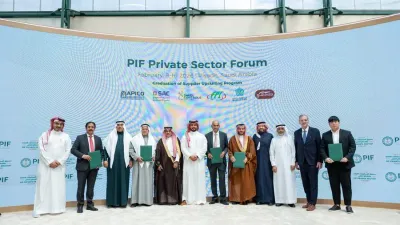
CEER Signs SAR 3.7B Deals for Saudi EV Localization Push
CEER inks 16 agreements worth over SAR 3.7 billion at PIF Forum, targeting 45% localization of EV components from Saudi companies by 2034.