
CEER Signs SAR 3.7B Deals for Saudi EV Localization Push
CEER, Saudi Arabia's first electric vehicle brand, has just signed 16 commercial agreements worth over SAR 3.7 billion at the PIF Private Sector Forum. This massive investment accelerates the Kingdom's push to localize EV manufacturing and build a complete automotive ecosystem from the ground up.
The deals represent a strategic leap toward sourcing 45% of vehicle materials and components from Saudi companies by 2034. And the timing couldn't be more critical—with CEER's first model reveal scheduled for early 2026.

What These SAR 3.7 Billion Deals Mean for Saudi EV Production
This isn't CEER's first major move. The company signed SAR 5.5 billion in agreements at last year's forum. Combined with today's announcement, that's nearly SAR 9.2 billion committed to building a domestic EV supply chain in just two years.
But that's not all. CEER also inked a separate SAR 8.2 billion deal with Hyundai Transys for EV drive systems in June 2024. The financial momentum is undeniable.
The goal is clear: move beyond simple assembly and create deep, meaningful localization. This means using Saudi raw materials, bringing in advanced technology, and empowering local companies to become global suppliers.
CEER's Localization Strategy: Beyond Assembly
James DeLuca, CEO of CEER, stated the company's vision plainly. "These agreements are a cornerstone of CEER's wide and deep localization strategy," he said. "Our approach goes beyond mere assembly."
He emphasized the broader economic impact. "We are utilizing local raw materials and empowering Saudi companies to become global suppliers, directly contributing to Vision 2030’s mission."
The strategy focuses on three key areas: local materials, advanced technology transfer, and heavy component manufacturing. This triad is designed to reduce carbon emissions and create high-value jobs for Saudi nationals.
By 2034, nearly half of every CEER vehicle could be sourced locally. That's a transformative target for a region that has historically imported nearly all its vehicles.
The Key Partners and Components Being Localized
So who are the partners in this SAR 3.7 billion push? The list includes major Saudi industrial players across multiple sectors.
Abdul Latif Jameel (ALJ) will supply windshield washer fluid, EV coolants, and forklift equipment. Zamil Trade & Services and Zamil Plastics are on board for brake fluid systems.
Other agreements cover chemical compounds and heavy steel Body Shop equipment from companies like Sika and HCMF. These aren't minor components—they're essential to vehicle safety, performance, and manufacturing efficiency.
Localizing these elements reduces supply chain risk and keeps capital within the Saudi economy. It also builds technical expertise that can be exported across the GCC and beyond.
The GCC Angle: Why This Matters for Regional Buyers
For GCC consumers, CEER's localization drive signals something important: homegrown EVs designed for regional conditions. Saudi's extreme summer heat and desert terrain require specialized engineering.
Local manufacturing means vehicles can be optimized for GCC climates from day one. Battery cooling systems, cabin materials, and suspension tuning can all be tailored to regional needs rather than adapting global designs.
There's also the potential for faster availability and better after-sales support. With production rooted in the region, parts supply and service networks can be more responsive.
This could make CEER a compelling alternative to imported EVs for Saudi and GCC buyers who want vehicles built for their environment.
Vision 2030 and the Saudi Automotive Ecosystem
CEER's moves directly support Saudi Arabia's Vision 2030 goals of economic diversification and industrial development. The automotive sector represents a massive opportunity for job creation and technology transfer.
"These agreements represent a major step in building a comprehensive automotive ecosystem in the Kingdom," DeLuca noted. The focus on "heavy and labor-intensive components" is particularly significant for employment.
The strategy isn't just about making cars—it's about building an entire industry. From raw material processing to advanced manufacturing, the goal is vertical integration that benefits the entire economy.
This could position Saudi Arabia as an EV export hub for the Middle East and Africa. The geographic location and growing industrial base create natural advantages.
What's Next: CEER's 7-Model Lineup and Production Timeline
The clock is ticking toward CEER's first major milestones. The brand's first model will be revealed in early 2026, giving consumers their first look at Saudi-designed electric mobility.
Production is scheduled to begin in late 2026 at CEER's manufacturing facility. The company plans to launch seven distinct EV models over the following five years, covering multiple segments.
This ambitious rollout requires the supply chain being built today. The SAR 3.7 billion in new agreements ensures that when production starts, the components will be ready.
GCC dealerships and showrooms should start preparing for 2027 arrivals. While exact pricing hasn't been announced, localization could help CEER compete aggressively in the growing Middle Eastern EV market.
The Bottom Line for GCC Car Buyers
CEER's latest deals signal that Saudi EV production is moving from concept to reality. With billions committed and major partnerships secured, the pieces are falling into place.
For consumers across the GCC, this means more choice in the electric vehicle market. It means potential for vehicles specifically engineered for regional conditions. And it supports broader economic development across the Arabian Peninsula.
The message is clear: Saudi Arabia is serious about becoming an EV manufacturing powerhouse. And with each billion-riyal agreement, that vision gets closer to the showroom floor.
Watch for CEER's first reveal in early 2026—it could mark the beginning of a new era for the GCC automotive industry.
Related Articles
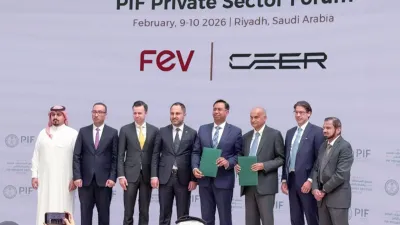
CEER Signs SAR 3.7B in Deals, Targets 45% Saudi Localization by 2034
Saudi Arabia's first EV brand CEER signs 16 MoUs worth over SAR 3.7 billion at PIF Private Sector Forum, targeting 45% localization by 2034 ahead of 2026 vehicle launches.
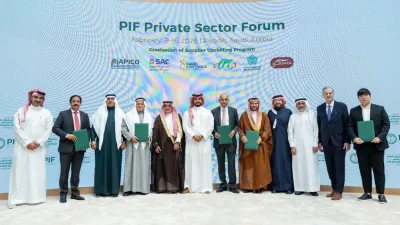
Ceer Signs SAR 3.7 Billion in Deals at PIF Forum, Targets 45% Saudi Localization by 2034
Saudi EV brand Ceer signs SAR 3.7 billion in deals to source 45% of components locally by 2034, paving the way for seven new models and transforming the GCC car market.
Ceer Signs SAR 5.5 Billion in Saudi Deals to Accelerate 2026 EV Launch
Saudi Arabia's first EV brand Ceer secures 11 partnerships worth SAR 5.5 billion with local firms to build supply chain ahead of 2026 model launch.