
Breaking: Middle East Tensions and Chip Shortage Threaten GCC Car Prices
A perfect storm of geopolitical tensions and semiconductor shortages could drive car prices higher across the GCC in 2026. UAE and Saudi Arabian markets face the greatest risk of increased costs and delivery delays as two separate crises converge on the region's automotive sector.
Here's the thing: the GCC imports nearly all its vehicles from overseas. That makes the market uniquely vulnerable to global supply chain shocks. And right now, two major threats are looming on the horizon.

Why Middle East Tensions Matter for Car Buyers
The first threat is purely regional. Geopolitical tensions in the Middle East directly impact the Strait of Hormuz, a critical shipping chokepoint. Over 20% of the world's oil passes through this narrow waterway, but it's also a vital route for vehicle carriers heading to GCC ports.
Any disruption here triggers immediate consequences. Shipping costs surge. Insurance premiums skyrocket. And delivery timelines stretch from weeks to potentially months.
For UAE and Saudi buyers, this means dealerships face higher costs to get cars onto their lots. Those costs inevitably get passed along to consumers. The era of deep discounts and aggressive promotions could be coming to an abrupt end.
But that's not all. Lower dealer inventory creates a seller's market. When stock is scarce, you pay closer to MSRP. And if you're ordering a specific color or configuration, prepare to wait.
The 2026 DRAM Chip Shortage Explained
The second threat is technological. A severe DRAM (memory chip) shortage is predicted for 2026, driven by explosive demand from artificial intelligence companies. These aren't just any chips—they're essential components in modern vehicles.
Every new car needs DRAM for its brain. We're talking about:
- Infotainment systems and touchscreens
- Digital instrument clusters
- Advanced driver assistance systems (ADAS)
- Electric vehicle software and battery management
- Connected car features and over-the-air updates
Global analysts warn of 70-100% price increases for DRAM chips through 2026. When automakers pay double for essential components, vehicle prices must adjust accordingly.
And the best part? The shortage won't affect all cars equally. Basic models with minimal technology will see less impact. But the vehicles GCC buyers love most will be hit hardest.
Which GCC Cars Are Most Vulnerable?
Luxury SUVs, premium crossovers, and high-specification hybrids and EVs sit squarely in the crosshairs. These are exactly the segments that dominate UAE and Saudi roads—and they're packed with DRAM-dependent technology.
Think about the average GCC driveway. A loaded luxury SUV for family trips. A tech-heavy sedan for daily commuting. Possibly an electric vehicle for city driving. All these vehicles require substantial semiconductor content.
Manufacturers face a difficult choice: absorb the cost and hurt profitability, or limit production of high-tech trims. Many will likely do both, resulting in longer waits for fully-optioned models and gradual price increases across the board.
The vehicles you configure online today might not be available tomorrow. Or they might arrive with a surprise price adjustment at delivery.
GCC Import Dependency: A Regional Weakness
UAE and Saudi Arabia's automotive markets share a critical vulnerability. Neither has significant local vehicle production. Every Toyota, Nissan, Hyundai, Mercedes, or BMW sold here arrives via ship from Asia, Europe, or North America.
This import dependency creates a fragile supply chain. When global tensions rise, GCC consumers feel the impact first and hardest. It's a structural reality of the regional market.
Consider the typical journey of a car destined for Dubai. Built in Japan, loaded onto a specialized carrier, shipped through Southeast Asia, across the Indian Ocean, through the Strait of Hormuz, and finally to Jebel Ali Port. Every mile of that journey becomes more expensive during regional instability.
What This Means for UAE and Saudi Buyers
The convergence of these two threats creates unprecedented pressure on GCC car prices. Shipping disruptions increase delivery costs. Chip shortages increase production costs. Dealerships face a double squeeze on their margins.
Market analysts suggest several likely outcomes:
- Fewer discounts and promotions on popular models
- Longer delivery times for custom-ordered vehicles
- Prioritization of in-stock units over build-to-order
- Potential price increases on technology-heavy trims
- Reduced availability of certain optional packages
The GCC automotive market has proven remarkably resilient in past crises. But 2026 presents a unique combination of challenges that could test that resilience like never before.
Strategic Buying Advice for 2026
Timing matters. If you're planning a vehicle purchase this year, consider these strategies:
Prioritize in-stock inventory. Dealerships have already absorbed the shipping costs on cars sitting on their lots. These vehicles offer more predictable pricing and immediate availability.
Be flexible with specifications. The exact color, trim, and option package you want might be the one facing production delays. Having some flexibility could save you months of waiting.
Consider technology trade-offs. If DRAM shortages push prices too high, ask what features you truly need. Sometimes a slightly lower trim level delivers 90% of the experience at a much better price point.
Monitor regional developments. The situation remains fluid. While no major crisis has erupted yet, the risks are undeniably rising. Smart buyers stay informed about both geopolitical and technological trends affecting the market.
The Bigger Picture: GCC Automotive Trends
This potential price pressure comes at a fascinating time for GCC markets. UAE and Saudi Arabia are both embracing electric vehicles and advanced automotive technology. The very features that make modern cars appealing—big screens, sophisticated safety systems, connected services—are those most vulnerable to chip shortages.
Regional preferences matter too. GCC buyers favor large, comfortable vehicles with plenty of technology for desert driving and city commuting. These aren't bare-basic economy cars—they're premium machines with premium semiconductor requirements.
Summer heat places additional demands on vehicle electronics. Advanced climate control systems, powerful infotainment units, and robust battery management all depend on the very chips now facing shortages.
What's Next for GCC Car Prices?
The remainder of 2026 will be telling. Automotive manufacturers have become more sophisticated about supply chain management since the pandemic-era chip shortages. But the DRAM crisis presents a different challenge—one driven by competing demand from the AI sector, not pandemic-related factory closures.
Geopolitical tensions add another layer of complexity. While the automotive industry can sometimes reroute shipments, the Strait of Hormuz remains the most efficient path to GCC markets. Alternative routes exist but add cost and time.
The smart money says to expect gradual changes rather than sudden shocks. Dealerships won't double prices overnight. But you might notice:
- Smaller discounts during promotional periods
- Longer quoted delivery times for new orders
- More emphasis on selling existing inventory
- Optional packages becoming "temporarily unavailable"
For buyers willing to be flexible, opportunities will still exist. The GCC automotive market remains competitive, with multiple brands vying for every sale. But the balance of power may be shifting from buyer to seller as these dual crises unfold.
Final Verdict: Plan Ahead and Stay Informed
The coming months will test the GCC automotive sector's adaptability. UAE and Saudi buyers accustomed to abundant choice and attractive pricing may need to adjust their expectations.
Bottom line: If you need a new vehicle in 2026, don't wait for the perfect storm to hit. The combination of Middle East tensions and DRAM chip shortages creates genuine risk for both availability and affordability.
Monitor your preferred models closely. Build relationships with dealerships. And most importantly, understand that the global automotive ecosystem remains fragile in ways that directly impact what you pay and when you drive away.
The GCC has weathered automotive challenges before, but 2026's unique combination of geopolitical and technological pressures could rewrite the rules of car buying in the region. Stay informed, stay flexible, and plan your purchase accordingly.
Related Articles

Tesla Cybertruck GCC Launch: Orders Open in UAE, Saudi Arabia, Qatar
Tesla Cybertruck officially launches in the GCC — UAE, Saudi Arabia, and Qatar now accepting orders. Saudi pricing starts at 435,000 SAR, with deliveries from March 2026. Here's everything we know.
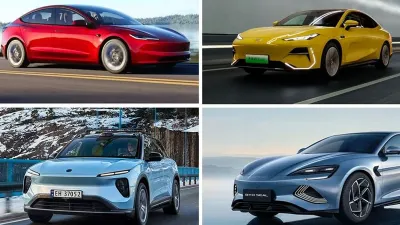
GCC EV Adoption Doubles to 4%: Now Among World's Fastest-Growing Markets
The GCC has become one of the world's fastest-growing EV markets with adoption doubling from 2% to 4% in just one year. Discover why UAE and Saudi Arabia are leading the charge.
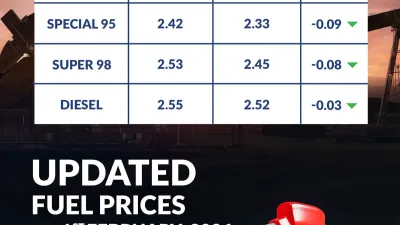
GCC Fuel Prices February 2026: Latest Updates and Country-by-Country Breakdown
Get the latest GCC fuel prices for February 2026. See how UAE, Saudi Arabia, Qatar, Kuwait, Bahrain, and Oman compare on petrol and diesel rates.