
GCC EV Adoption Doubles to 4%: Now Among World's Fastest-Growing Markets
The GCC has emerged as one of the world's fastest-growing electric vehicle markets, with EV adoption doubling from 2% to 4% of all vehicles in just one year. This explosive growth places the region ahead of many mature markets and signals a fundamental shift in how GCC drivers think about transportation.
According to the Roland Berger EV Charging Index 2025—which surveyed over 12,000 consumers across 33 countries—the Gulf Cooperation Council countries are experiencing an electric revolution. The report reveals that 91% of GCC EV owners plan to buy another electric vehicle for their next purchase, significantly higher than the global average of 87%. In the UAE, that figure jumps to 94%, making it the second-most loyal EV market globally after China.
Here's the thing: electric vehicles aren't just secondary cars in the GCC. They're becoming primary vehicles for daily use. The study found that one in three GCC EV owners drives more than 20,000 kilometers per year—a substantial mileage that demonstrates real trust in the technology for regional conditions.

GCC EV Sales: UAE Leads, Saudi Arabia Surges
The numbers tell a compelling story. In 2024, the UAE led the region with approximately 24,000 electric and plug-in hybrid vehicle sales. But the real surprise came from Saudi Arabia, where EV sales jumped nearly tenfold to over 11,000 units in the same period.
This dramatic growth reflects both increasing consumer acceptance and strategic government initiatives. While the UAE has been building its EV ecosystem for years through Dubai's Green Mobility Strategy and Abu Dhabi's sustainability plans, Saudi Arabia's rapid acceleration aligns perfectly with Vision 2030's diversification goals.
And the best part? This is just the beginning. With major global automakers targeting the GCC with dedicated EV launches and regional brands like Ceer entering the market, availability has never been better for consumers.
Why GCC Drivers Are Switching to Electric Vehicles
The reasons for adoption vary across the region but reveal smart, practical thinking. In the UAE and Qatar, lower fuel and maintenance costs rank as the top motivator—a significant consideration given the combination of urban traffic and long highway drives common in GCC countries.
In Saudi Arabia, cutting-edge technology and innovation appeal most to EV buyers. This aligns with the Kingdom's push toward a tech-driven future and younger demographic's preferences. Across the entire GCC, nearly 50% of buyers cite environmental sustainability as a key factor in their decision.
But there are GCC-specific advantages that global studies might miss. Modern EVs handle extreme heat better than ever before, with advanced battery thermal management systems designed for desert conditions. The lower maintenance requirements—no oil changes, fewer moving parts—are particularly appealing in dusty environments where traditional engines require frequent servicing.
Charging Infrastructure Satisfaction Exceeds 94% in Key Markets
One of the biggest surprises in the Roland Berger report is charging satisfaction. Qatar, the UAE, and Saudi Arabia all scored above 94% satisfaction rates among EV owners—higher than many established European and North American markets.
This satisfaction stems from rapid infrastructure expansion. Dubai now boasts over 1,270 public charging stations, while Abu Dhabi's ADNOC and TAQA partnership aims to add 500 more charging points by 2028. In Saudi Arabia, the EVIQ initiative is targeting 5,000 chargers across 1,000 locations by 2030, with networks already operational in Riyadh, Jeddah, and Dammam.
Private sector investment is accelerating this expansion. Saudi Arabia's Electromin and the UAE's Al-Futtaim Group are pouring resources into charging networks, while energy giants recognize that electricity is becoming the new transportation fuel.
Government Policies Fueling the EV Revolution
GCC governments aren't just watching this transition—they're actively driving it. Dubai's EV incentives include free parking, toll exemptions, and subsidized charging. Abu Dhabi offers registration fee waivers and dedicated green vehicle lanes. Saudi Arabia provides purchase incentives and is building domestic EV manufacturing capabilities through Ceer and other initiatives.
These policies create a perfect storm of affordability and convenience. When you combine lower operating costs with government perks, the total cost of ownership for electric vehicles becomes increasingly competitive with traditional combustion engines—even in markets with subsidized fuel prices.
The Brands Leading GCC's Electric Revolution
Global EV leaders have taken notice of the GCC's growth. Tesla continues to dominate the premium segment, while Chinese manufacturers like BYD, Geely, and Nio are gaining significant market share with competitively priced, feature-rich models. European luxury brands are expanding their electric lineups across Gulf dealerships, and Hyundai-Kia's popular models now include electric variants perfectly suited for regional conditions.
The diversity of available models means there's now an electric vehicle for nearly every budget and need—from compact city cars to luxury SUVs capable of handling desert excursions. This variety was unimaginable just five years ago but now represents the new normal in GCC showrooms.
What's Next for GCC's EV Market?
The trajectory points toward continued explosive growth. With adoption at 4% and doubling annually, the GCC could reach European-level penetration rates faster than any region in history. Several factors will determine how quickly this happens.
Infrastructure expansion must keep pace with vehicle sales, particularly along highways connecting major cities. Grid capacity and renewable energy integration will become increasingly important as electricity demand from transportation grows. Battery technology advancements that further improve heat tolerance and charging speed will address remaining consumer concerns.
For GCC consumers considering an electric vehicle, the timing has never been better. Prices continue to fall as competition increases, charging networks expand daily, and more models arrive with GCC-specific calibrations for extreme temperatures. The combination of lower operating costs, government incentives, and growing infrastructure makes 2026 potentially the best year yet to go electric in the Gulf.
The GCC's EV revolution isn't coming—it's already here. With doubling adoption rates, world-leading owner satisfaction, and unprecedented infrastructure investment, the region has positioned itself as a global leader in the transition to electric mobility. For drivers who've been hesitant about making the switch, the question is no longer "if" but "when."
Related Articles

Tesla Cybertruck GCC Launch: Orders Open in UAE, Saudi Arabia, Qatar
Tesla Cybertruck officially launches in the GCC — UAE, Saudi Arabia, and Qatar now accepting orders. Saudi pricing starts at 435,000 SAR, with deliveries from March 2026. Here's everything we know.
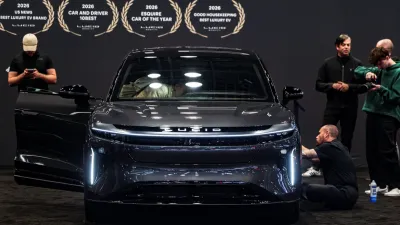
Breaking: Saudi PIF Pumps $550M More Into Lucid as Uber Robotaxi Fleet Hits 35,000
Saudi Arabia's PIF boosts Lucid investment to $8 billion total as Uber commits to 35,000 EVs for global robotaxi service. Full production in Jeddah starts 2026.
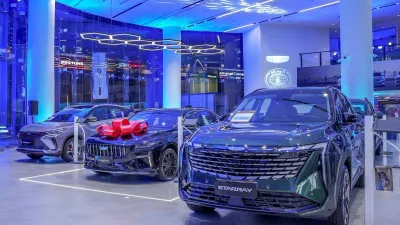
Breaking: Middle East Tensions and Chip Shortage Threaten GCC Car Prices
Geopolitical tensions in the Middle East combined with a looming 2026 DRAM chip shortage could push car prices higher and cause delivery delays across UAE and Saudi Arabia. Here's what you need to know.