
FEV and CEER Sign Major MoU to Accelerate Saudi Arabia's EV Program
Breaking: German automotive engineering powerhouse FEV has signed a strategic Memorandum of Understanding (MoU) with Saudi Arabia's first electric vehicle brand, CEER, to accelerate the Kingdom's ambitious EV program. The agreement was signed on February 18, 2026, during the PIF Private Sector Forum in Riyadh.
This partnership marks a significant step forward for Saudi Arabia's automotive transformation. It brings together global engineering expertise with local vision to fast-track electric mobility development in the region.
Here's what you need to know.

What This FEV-CEER Partnership Means for Saudi EV Development
The MoU represents a deepening of cooperation between two key players in Saudi Arabia's automotive future. FEV, a Germany-based global leader in automotive engineering and electrification services, will combine its technical expertise with CEER's vision for premium electric mobility.
The timing is crucial. FEV only opened its Riyadh office in December 2024, signaling its commitment to the Saudi market. Now, just two months later, this partnership with CEER demonstrates rapid progress in building local capabilities.
The core objectives are clear: accelerate technology development for CEER's EV program, strengthen local expertise, and support the sustained expansion of Saudi Arabia's automotive and mobility ecosystem.
Why This MoU Matters for Vision 2030
This partnership isn't just about building cars—it's about building an industry. The collaboration aligns directly with Saudi Arabia's Vision 2030 goals for economic diversification, innovation, and sustainable mobility.
Mayank Agochiya, FEV Asia President, stated: "By partnering with CEER, we will combine our global expertise in automotive engineering and electrification with our partner's vision for Saudi Arabia's electric mobility future. Since opening the FEV Riyadh office in December 2024, we have focused on localising highly skilled talent and building partnerships that support the Kingdom's Vision 2030."
That last point is key: localising highly skilled talent. This means job creation, knowledge transfer, and building sustainable automotive expertise within Saudi Arabia.
The GCC Angle: What This Means for Regional Buyers
For GCC car buyers, particularly in Saudi Arabia, this partnership signals several important developments. First, it strengthens the foundation for locally-developed EVs that could be more competitive in pricing and better suited to regional conditions.
Think about it: vehicles engineered with Saudi Arabia's climate in mind—extreme summer heat, desert driving conditions, and local infrastructure considerations. That's the potential here.
Second, as CEER moves toward its planned 2026 vehicle launches, this engineering partnership with FEV provides crucial technical backing. FEV brings decades of experience in vehicle development, testing, and electrification that can help ensure CEER's vehicles meet global standards.
While specific model details, pricing, and horsepower figures aren't part of this MoU announcement, the engineering foundation being laid today will directly impact the vehicles that hit Saudi showrooms tomorrow.
CEER's Growing Momentum in the Saudi Market
CEER isn't starting from scratch. As Saudi Arabia's first electric vehicle brand and a premium mobility company backed by the Public Investment Fund (PIF), CEER has been building momentum through strategic partnerships.
This FEV agreement follows other major announcements, including significant investment deals worth SAR 3.7 billion and $987 million with various partners. Each partnership serves a different purpose in building a complete automotive ecosystem.
The PIF Private Sector Forum, where this MoU was signed, serves as the perfect backdrop. The forum convenes public- and private-sector stakeholders specifically to encourage collaboration, investment, and sustainable growth—exactly what this partnership represents.
What's Next for FEV and CEER's Collaboration
With the MoU signed, the real work begins. Expect to see joint engineering teams forming, technology development accelerating, and local talent being trained. The focus will likely be on vehicle architecture, electrification systems, and development processes that can support CEER's ambitious timeline.
For Saudi consumers, the most visible outcome will be CEER's planned vehicle launches in 2026. While we don't have specific dates or models yet, this engineering partnership suggests those launches are moving forward with serious technical backing.
The broader impact? A stronger Saudi automotive industry that could eventually export vehicles and expertise throughout the GCC and beyond. That's the Vision 2030 promise, and partnerships like this one make it more achievable.
The Bottom Line for GCC Car Enthusiasts
This FEV-CEER partnership represents more than just another corporate agreement. It's a building block in Saudi Arabia's automotive future—one that could reshape the regional EV landscape.
For now, watch for more announcements from CEER as their 2026 launch window approaches. The engineering foundation being built today will determine the quality, performance, and appeal of Saudi Arabia's first homegrown EVs tomorrow.
Source: just-auto.com, FEV.com, Zawya
Related Articles
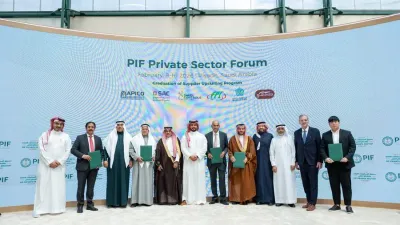
CEER Signs SAR 3.7B Deals for Saudi EV Localization Push
CEER inks 16 agreements worth over SAR 3.7 billion at PIF Forum, targeting 45% localization of EV components from Saudi companies by 2034.
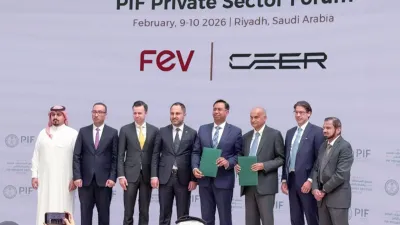
CEER Signs SAR 3.7B in Deals, Targets 45% Saudi Localization by 2034
Saudi Arabia's first EV brand CEER signs 16 MoUs worth over SAR 3.7 billion at PIF Private Sector Forum, targeting 45% localization by 2034 ahead of 2026 vehicle launches.
Ceer Signs SAR 5.5 Billion in Saudi Deals to Accelerate 2026 EV Launch
Saudi Arabia's first EV brand Ceer secures 11 partnerships worth SAR 5.5 billion with local firms to build supply chain ahead of 2026 model launch.