
Saudi-Backed Lucid, Uber, Nuro to Launch 20,000+ Robotaxis in 2026
Saudi-Backed Lucid Unveils Robotaxi Dream with Uber and Nuro
Lucid Motors, the electric vehicle maker backed by Saudi Arabia's Public Investment Fund (PIF), has announced a landmark partnership with ride-hailing giant Uber and autonomous vehicle leader Nuro. The trio is launching a next-generation, premium global robotaxi program that will see over 20,000 autonomous Lucid Gravity SUVs hit the road for Uber starting in late 2026.
Here's the thing: this isn't just another tech pilot. This is a full-scale commercial deployment plan with multi-hundred-million-dollar investments from Uber into both Nuro and Lucid. The service will be exclusive to the Uber app, marking a major step toward a driverless future for millions of riders.

What Is the Lucid-Uber-Nuro Robotaxi Program?
The program is straightforward in its ambition but complex in its execution. Uber will deploy a fleet of at least 20,000 purpose-built autonomous vehicles over the next six years across dozens of markets worldwide. These vehicles will be based on the upcoming 2026 Lucid Gravity SUV platform, equipped with Nuro's advanced Level 4 autonomous driving system.
The vehicles will be owned and operated either by Uber itself or by third-party fleet partners, but they will be accessible only through the Uber ride-hailing platform. This creates a seamless, premium autonomous experience for users.
Why the Lucid Gravity Is the Perfect Robotaxi Base
Lucid's choice of the Gravity as the foundation for this fleet is strategic. The Gravity promises industry-leading electric range, which is crucial for the high-mileage demands of a ride-hailing service. Its spacious, premium interior—a hallmark of Lucid's design—is perfectly suited for comfortable passenger transport.
Marc Winterhoff, Interim CEO of Lucid, highlighted that Uber's investment validates Lucid's "fully redundant zonal architecture," which is engineered to be ideal for autonomous vehicle applications. This partnership represents Lucid's first major foray into the autonomous mobility-as-a-service market, a sector valued in the trillions.
The GCC Angle: A Natural Future Market
While the initial launch is planned for a major U.S. city in late 2026, the GCC connection is impossible to ignore. Lucid is majority-owned by Saudi Arabia's PIF and has an official commercial presence in both the Kingdom and the UAE. This positions the Middle East as a logical and strategic future expansion market for this robotaxi service.
The rollout aligns perfectly with the broader goals of Saudi Vision 2030, which includes major investments in electric vehicles and future mobility solutions. Although no specific GCC launch dates have been announced, the region's existing infrastructure and Lucid's established footprint make it a prime candidate for phase-two deployments.
How It Stacks Up Against GCC Robotaxi Competition
Autonomous ride-hailing is already gaining traction in the Gulf. Services like Baidu's Apollo Go, in partnership with Uber, have launched in Dubai, and WeRide has begun operations in Abu Dhabi. The Lucid-Uber-Nuro venture enters this evolving landscape with a distinct advantage: a premium, purpose-built electric vehicle.
Where some services use modified consumer cars, this program is designing from the ground up (or rather, from the Gravity up) for autonomy and passenger comfort. This could set a new standard for luxury and reliability in the regional robotaxi market.
The Road to Launch: Timeline and Testing
The partnership is moving fast. The first prototype, a Lucid Gravity equipped with Nuro's autonomy stack, is already operating on a closed circuit at Nuro's proving grounds in Las Vegas. The commercial launch is slated for later in 2026.
Nuro brings nearly a decade of specialized AI and autonomy development to the table, including five years of real-world, driverless commercial deployments. This experience is critical for ensuring the safety and scalability required for a global service.
What This Means for the Future of Mobility
Uber CEO Dara Khosrowshahi called autonomous vehicles key to transforming cities for the better. This partnership represents a massive vote of confidence in the technology's readiness and commercial viability. For consumers, it promises safer, more consistent, and potentially more affordable rides. For the automotive and tech industries, it showcases a powerful new template for collaboration.
The deal also secures a significant new revenue stream and validation for Lucid, bolstering its business case beyond direct consumer sales. For the GCC, it reinforces the region's role as a major investor and future adopter of cutting-edge mobility technology.
While we wait for specific pricing and GCC availability details, one thing is clear: the future of ride-hailing is being built today, and it has a distinctly Saudi-backed, electric, and autonomous character.
Source: Lucid Motors press release and company announcement.
Related Articles
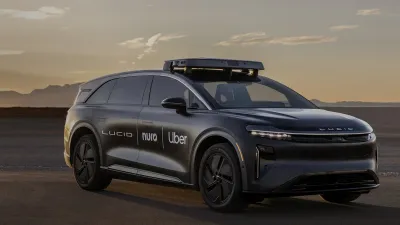
Lucid, Nuro & Uber Unveil Luxury Robotaxi for 2026 Launch
The Lucid Gravity-based robotaxi, developed with Nuro and Uber, targets a 2026 commercial launch with ties to Lucid's Saudi production. Full details inside.
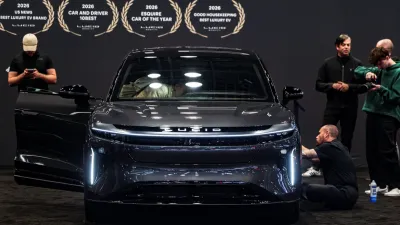
Breaking: Saudi PIF Pumps $550M More Into Lucid as Uber Robotaxi Fleet Hits 35,000
Saudi Arabia's PIF boosts Lucid investment to $8 billion total as Uber commits to 35,000 EVs for global robotaxi service. Full production in Jeddah starts 2026.
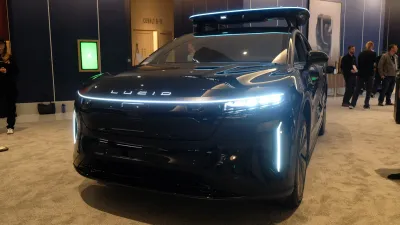
Just Launched: Saudi-Backed Lucid, Nuro & Uber Unveil Gravity-Based Robotaxi for Global 2026 Rollout
Saudi-backed Lucid partners with Nuro and Uber to launch 20,000+ autonomous Gravity SUVs for global robotaxi fleet starting late 2026. Full details inside.