
Lucid, Nuro & Uber Unveil Luxury Robotaxi for 2026 Launch
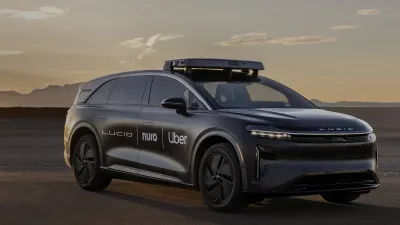
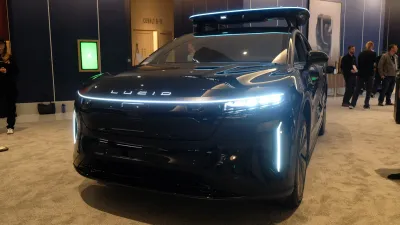
In a major autonomous vehicle reveal, Lucid Group, Nuro, and Uber have taken the wraps off a production-intent luxury robotaxi built on the Lucid Gravity SUV platform, with commercial operations targeting a 2026 start.
The announcement, made at CES 2026 in Las Vegas, marks a significant step toward bringing a premium, high-capacity autonomous ride-hailing service to market. On-road testing supervised by Nuro's autonomous driving system is already underway in California.
Here’s the full story on this groundbreaking three-way partnership and what it means for the future of mobility, especially in the GCC region.

What Is the Lucid Gravity Robotaxi?
This isn't just another autonomous concept. It’s a production-bound vehicle designed specifically for Uber’s global platform, setting a new standard for luxury in the robotaxi space.
Based on the upcoming 2026 Lucid Air platform's sibling—the Gravity SUV—this vehicle combines Lucid’s renowned electric powertrain and premium architecture with Nuro’s state-of-the-art autonomous driving technology and Uber’s vast ride-hailing network.
The key differentiator is the focus on a superior passenger experience. While most robotaxis are built on economy car platforms, this service will offer the space, comfort, and tech of a premium electric SUV.
Key Features & Specifications
The vehicle is packed with cutting-edge hardware and thoughtful passenger-focused features. It’s designed to make every ride not just autonomous, but exceptionally comfortable.
Advanced Sensor Suite: For 360-degree perception, the vehicle uses a next-generation combination of high-resolution cameras, solid-state LiDAR, and radars. A distinctive roof-mounted "Halo" module houses sensors and uses LED lighting to communicate vehicle status and identify itself to waiting riders.
Premium Interior & Tech: The cabin can comfortably seat up to six passengers with luggage. Interactive screens allow riders to control their seat climate, audio preferences, and contact support. A real-time visualization screen shows what the vehicle's AI "sees" and its planned driving path.
Powerful AI Compute: All this autonomous perception and decision-making is powered by the formidable NVIDIA DRIVE AGX Thor compute platform, ensuring smooth and safe operation in complex urban environments.
The GCC Connection: Saudi Production & Future Potential
This announcement carries special weight for the Middle East, and here's why. Lucid Motors assembles vehicles at its AMP-1 facility in Arizona and its AMP-2 facility in Saudi Arabia.
The Kingdom is a strategic investor in Lucid and a key manufacturing base for its global ambitions. This directly positions the Lucid Gravity robotaxi for potential regional deployment, leveraging existing local production and supply chain ties.
Furthermore, Uber operates extensively across GCC markets like the UAE, Saudi Arabia, and Qatar. While the initial launch is planned for the San Francisco Bay Area in late 2026, the partnership's global scope hints at a logical future expansion into these mature ride-hailing markets.
The combination of local manufacturing and an established partner network creates a powerful foundation for bringing autonomous luxury transport to GCC cities.
What the Leaders Said
The executives from all three companies emphasized the transformative potential of this partnership.
"The debut of this robotaxi is a significant milestone in our partnership, as we move beyond prototyping to building a robotaxi service designed for real-world operations and long-term growth," said Dave Ferguson, Co-Founder and Co-CEO of Nuro.
"Uber is proud to partner with Lucid and Nuro to bring a state-of-the-art robotaxi to market later this year," added Sarfraz Maredia, Uber's Global Head of Autonomous Mobility and Delivery.
Uber CEO Dara Khosrowshahi echoed the sentiment, stating the company was "thrilled to partner with Lucid and Nuro to bring the magic of autonomous driving to the Uber platform."
How It Stacks Up Against Competitors
This vehicle isn't entering a vacant field. Waymo and Cruise already operate commercial robotaxi services in the US. However, the Lucid-Nuro-Uber entry brings a unique proposition.
Luxury vs. Utility: Most current robotaxis use modified mainstream EVs or purpose-built pods focused on efficiency. The Gravity-based vehicle offers a genuinely premium cabin experience.
Group-Focused Design: With capacity for six passengers, it targets small groups and families, a segment often underserved by typical four-seat autonomous services.
Integrated Platform: Being the first purpose-built robotaxi for the Uber app means seamless booking, payment, and user experience for hundreds of millions of existing Uber users globally.
The Road Ahead: Testing and Launch Timeline
The path to commercialization is already in motion. Nuro began supervised on-road testing of these vehicles in the San Francisco Bay Area in December 2025.
The current phase involves safety drivers monitoring the system. The goal is to advance through regulatory milestones toward an unsupervised, fully driverless commercial service.
The partnership is targeting a limited commercial launch later in 2026, initially in the Bay Area. This phased approach allows the companies to refine the service based on real-world data before scaling up.
For GCC residents, this means watching the US rollout closely. Success in California will pave the way for expansion plans that could eventually include major Middle Eastern capitals, where luxury ground transportation is in high demand.
The Bottom Line
The unveiling of the Lucid Gravity robotaxi is more than a CES showcase. It's a concrete step toward a future where electric, autonomous, and luxurious mobility converge.
With Lucid's manufacturing footprint in Saudi Arabia and Uber's entrenched presence in the region, the GCC isn't just a potential market—it's a strategically logical one. While no official launch dates or pricing for the Middle East have been announced, the foundations for a future rollout are firmly in place.
For now, the autonomous future is being tested on the streets of California. But given the deep regional connections, it might not be long before a sleek, sensor-topped Lucid Gravity pulls up to your curb in Dubai or Riyadh, ready to drive you—without a driver.
Related Articles
Saudi-Backed Lucid, Uber, Nuro to Launch 20,000+ Robotaxis in 2026
Lucid Motors, backed by Saudi Arabia's PIF, partners with Uber and Nuro to launch a global robotaxi fleet of 20,000+ autonomous Gravity SUVs, starting in 2026.
Just Launched: Saudi-Backed Lucid, Nuro & Uber Unveil Gravity-Based Robotaxi for Global 2026 Rollout
Saudi-backed Lucid partners with Nuro and Uber to launch 20,000+ autonomous Gravity SUVs for global robotaxi fleet starting late 2026. Full details inside.

Breaking: Saudi PIF Pumps $550M More Into Lucid as Uber Robotaxi Fleet Hits 35,000
Saudi Arabia's PIF boosts Lucid investment to $8 billion total as Uber commits to 35,000 EVs for global robotaxi service. Full production in Jeddah starts 2026.