
Gulf Auto Market Crisis: War, Fuel Prices Create Perfect Storm
The GCC automotive market is facing its most severe challenge since the pandemic, with the ongoing US-Israel-Iran war, skyrocketing fuel prices, and plummeting consumer confidence creating a perfect storm that has left showrooms empty and cancellation rates at historic highs.
This comes after a disastrous Ramadan sales period that traditionally drives the region's car-buying frenzy.

Ramadan 2026: From Boom to Brake
Ramadan (February 18 to March 20, 2026) is typically the strongest sales period for Gulf dealerships. Brands roll out major promotions, year-end bonuses flood the market, and consumer sentiment peaks.
"Depending on the market and the brand, we usually see sales activity increase anywhere from 50 percent to even double normal monthly levels due to promotions, bonuses and overall consumer sentiment," says Sebastian Fuchs of AutoData Middle East.
But this year was different.
During this year's Ramadan, most dealerships performed 20 percent below their usual levels. That's a seismic shift from expected growth to significant decline. The timing couldn't be worse—the war, now in its seventh week, erupted just as the buying season kicked off.
Record Cancellation Rates Shock Dealers
The most alarming indicator? Buyers walking away from deposits.
"People were willing to walk away, forgo their deposits. So the rejection or cancellation rate was the highest we've ever seen – around 35 percent," reveals Naz Chaudhry, founder of Park Lane Motors.
A 35% cancellation rate is unprecedented in GCC automotive history. It signals deep consumer anxiety and a complete reevaluation of major financial commitments.
But here's the crucial context: sales did still tick over. The market hasn't completely collapsed. Chaudhry notes, "It's a significant drop, but not the end of the world."
War Timing Exacerbates Market Woes
The ongoing US-Israel-Iran conflict has created a climate of uncertainty that directly impacts big-ticket purchases. When regional stability feels threatened, car buying moves to the bottom of priority lists.
This war's timing was particularly brutal—coinciding exactly with the peak Ramadan buying window. Consumers who might have finalized deals in February or March instead hit pause.
The result? Showrooms that should have been buzzing with families finalizing Eid purchases have been eerily quiet for weeks. Dealerships are now staring at potentially prolonged emptiness if the geopolitical situation doesn't stabilize.
GCC Fuel Prices Add to Consumer Anxiety
Compounding the war impact: record-high fuel prices across the Gulf. The UAE saw petrol prices surge in April 2026, with Special 95 hitting AED 3.28 per litre—a significant jump that directly affects daily driving costs.
In Saudi Arabia, similar fuel price adjustments have made consumers think twice about vehicle ownership costs. For a region that lives in their cars—from school runs to desert trips—fuel economy suddenly matters more than ever.
Here's the reality: when filling your tank costs significantly more each month, committing to a new car payment becomes a much harder calculation.
The Perfect Storm: Three Critical Factors
- Geopolitical Instability: The seventh week of the US-Israel-Iran war has shattered consumer confidence.
- Economic Pressure: High fuel prices are squeezing household budgets across the GCC.
- Psychological Impact: The combination makes potential buyers postpone major decisions indefinitely.
This trifecta has created what industry insiders are calling "the perfect storm" for automotive retailers. And there's no quick fix in sight.
Historical Context: Previous Market Crises
The Gulf auto market has weathered storms before. Each took years, not months, to stabilize.
- 2008 Global Financial Crisis: Luxury sales evaporated overnight, with recovery taking 3-4 years.
- 2020 COVID-19 Pandemic: Showrooms closed completely, supply chains broke, and consumer behavior changed permanently.
- 2021 Chip Shortage: Inventory dried up, waiting lists stretched for months, and prices soared.
The current crisis differs in one key aspect: it combines external conflict with internal economic pressure. Previous crises were either purely economic (2008) or supply-side (2021). This hits both demand and confidence simultaneously.
Regional Impact: UAE, Saudi Arabia, and Beyond
Every GCC market is feeling the pressure, but some are more exposed than others.
The UAE, with its large expatriate population and luxury-focused market, sees particular softness in high-end segments. Saudi Arabia's massive domestic market shows resilience but can't escape the broader trend.
Kuwait, Bahrain, Oman, and Qatar—all are reporting similar patterns: fewer showroom visits, increased hesitancy, and higher cancellation rates across segments from affordable sedans to premium SUVs.
Dealership Strategies: Survival Mode
Faced with empty showrooms, dealers are getting creative. Expect to see:
- Aggressive financing offers with extended terms and lower rates
- Enhanced trade-in values to stimulate upgrade cycles
- Major service package inclusions to add perceived value
- Direct customer outreach beyond traditional showroom waiting
The traditional "build it and they will come" dealership model is being stress-tested like never before. Successful retailers will be those who adapt fastest to the new reality of cautious, research-driven consumers.
What's Next for the Gulf Auto Market?
The immediate outlook remains challenging. With the war ongoing and fuel prices at elevated levels, the second quarter of 2026 is likely to see continued softness.
Market recovery depends on three factors:
- Geopolitical resolution that restores regional confidence
- Fuel price stabilization that eases household budget pressure
- Dealer innovation that creates compelling reasons to buy now
The silver lining? GCC automotive markets have proven remarkably resilient through past crises. The fundamental demand for personal mobility in the region hasn't disappeared—it's just paused.
When confidence returns, so will buyers. But until then, dealers must navigate the most difficult operating environment since 2020.
The bottom line: The Gulf auto market faces a prolonged period of adjustment. Brands and dealerships that understand this new reality—and adapt their strategies accordingly—will emerge strongest when the recovery eventually begins.
For now, empty showrooms tell the story of a market waiting for calmer waters.
Related Articles
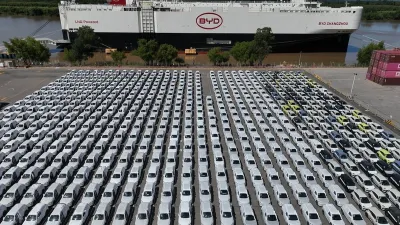
Breaking: 2026 Oil Crisis Could Push GCC Buyers to Chinese EVs, Report Warns
As fuel prices skyrocket due to regional conflict, a new report warns GCC consumers may ditch gas-guzzlers for affordable Chinese EVs—just like the 1973 shift to Japanese cars.

GCC Auto Sales Plunge 20% During Ramadan as War Hits Demand
Ramadan 2026 saw GCC car sales drop 20% below normal levels as regional conflict reversed traditional boom. Analysis reveals unprecedented cancellation rates and empty showrooms.
Breaking: Saudi Arabia Petrol Prices April 2026 — Premium 98 Jumps to SAR 3.83 Per Litre
Saudi Aramco announces April 2026 petrol prices: Gasoline 91 & 95 remain stable at SAR 2.18 & 2.33, while premium 98 surges to SAR 3.83 per litre.