
2026 Beijing Auto Show: Chinese EVs & Hybrids Targeting GCC
The 2026 Beijing Auto Show (Auto China 2026) unleashed 181 world premieres, and a striking number of them have the GCC squarely in their crosshairs. Chinese automakers GAC, Geely, and GWM used the platform to reveal electric and hybrid models explicitly designed for Middle East expansion — with extreme-heat testing and regional tailoring taking center stage.

Why Auto China 2026 Matters for GCC Buyers
Chinese brands are no longer testing the waters in the Gulf — they're diving in headfirst. The shift from hardware-centric vehicles to software-defined, AI-powered cockpits dominated the Beijing show floor, and every major Chinese OEM is now channeling global resources into export markets, with the GCC ranked as a top priority.
This matters because UAE and Saudi Arabia are pushing hard on electrification. With fuel price volatility and government-backed EV incentives, the timing couldn't be better for Chinese brands offering affordable, tech-loaded alternatives to traditional Japanese and Korean stalwarts.
GAC YUE7, AION i60, and AION N60: The GCC Offensive
GAC stole the spotlight for Gulf-relevant reveals. The Guangzhou-based automaker unveiled three models at Auto China 2026 with clear GCC intent:
- GAC YUE7 — a tech-forward SUV aimed squarely at the midsize crossover sweet spot
- AION i60 — a long-range electric sedan from GAC's EV-only sub-brand
- AION N60 — a compact electric crossover targeting urban GCC buyers
But the bigger news came from GAC Vice President James Wang, who confirmed in a Gulf News exclusive that GAC plans to open a Dubai R&D hub by 2028. This facility will develop GCC-tailored EVs, hybrids, and SUVs — a first for a Chinese automaker in the region. That means future GAC models won't just be imported; they'll be engineered for Gulf summers from the ground up.
And the best part? The R&D commitment signals GAC isn't chasing a quick sales spike — it's building long-term regional credibility.
Geely Galaxy Light, Starshine 7, A7, and M9
Geely's presence at Auto China 2026 was equally aggressive. The brand's NEV (New Energy Vehicle) lineup made a compelling case for GCC buyers:
- Galaxy Light concept — a design showcase hinting at Geely's next-gen EV language for export markets
- Starshine 7 — a long-range EV with emphasis on hot-weather battery performance
- A7 dual-powertrain sedan — offering both pure EV and extended-range options, ideal for a GCC market split between EV-curious and range-anxious buyers
- M9 — a flagship model rounding out Geely's premium push
Geely specifically highlighted hot-weather suitability in its Beijing presentations, addressing the elephant in the room for any EV heading to the Gulf. Battery degradation in 50°C heat has been the silent concern keeping some buyers away, and Geely wants to tackle it head-on.
Here's the thing: Geely already has a growing dealer footprint in the UAE and Saudi Arabia. These new models could land in showrooms faster than competitors expect.
GWM ONE S Platform and the 4.0T V8 Surprise
Great Wall Motor brought serious hardware to Beijing. The next-gen GWM ONE S platform, launched in January 2026, underpins the company's full HAVAL, TANK, Wey, and ORA lineups — and it's engineered with global export in mind.
The headline-grabber? A 4.0T V8 engine option that seems counterintuitive in an EV-focused show but makes perfect sense for GCC markets where large-capacity engines still dominate SUV preference. GWM is clearly hedging its bets — offering both electrified and traditional powertrains to cover the GCC's transitional market.
GWM's TANK brand already has a loyal following in the Middle East, and the ONE S platform's flexibility means faster localization for regional tastes.
Software-Defined Vehicles and AI Cockpits
The overarching theme at Auto China 2026 wasn't sheet metal — it was software. Chinese OEMs are pivoting hard toward software-defined vehicles (SDVs), AI-powered cockpits, and even robotaxi technology. According to Digitimes and Gasgoo, global capital is flooding into Chinese OEMs specifically to accelerate export-ready intelligent mobility solutions.
For GCC buyers, this translates to cars that can receive over-the-air updates, adapt driving dynamics via AI, and offer smart cockpit experiences that rival — and sometimes surpass — what European brands offer at double the price. The 2026 oil crisis shift toward Chinese EVs in the GCC is accelerating this trend.
What About GCC Pricing and Availability?
Here's where things get frustrating — no specific GCC pricing or confirmed launch dates have been announced yet. All three brands are positioning for UAE and Saudi launches post-show, but the details remain under wraps.
What we do know:
- GAC's Dubai R&D hub won't open until 2028, but product launches will precede it
- Geely's existing GCC dealer network gives it a potential first-mover advantage
- GWM's ONE S platform is already production-ready, meaning shorter time to market
Expect pricing announcements and dealership confirmations to trickle out over the coming weeks as Beijing's ripple effect reaches Gulf showrooms.
What's Next for GCC Buyers?
The 2026 Beijing Auto Show confirms what the industry has been sensing: Chinese automakers are no longer treating the GCC as an afterthought. They're engineering for it, investing in it, and — crucially — building local infrastructure to support it.
Keep an eye on GAC's three new models and Geely's Starshine 7 as the most likely early arrivals. And with the GCC's AED 19 billion autonomous vehicle opportunity by 2035, the AI and software focus from these Chinese brands could prove just as important as the metal itself.
Test drives and showroom arrivals are expected in late 2026 for the UAE and Saudi Arabia. We'll bring you confirmed pricing and specs the moment they drop.
Related Articles
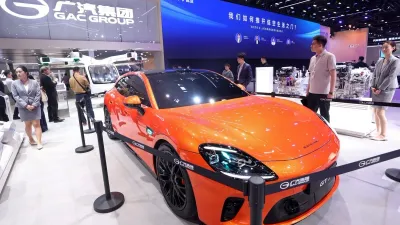
GAC Doubles Down on UAE: EVs, Hybrids & SUVs Built for Gulf Roads
GAC is deepening its GCC push with EVs, hybrids, and SUVs tailored for Gulf conditions. From the AION i60 to a new Deira showroom, here's what UAE buyers need to know.
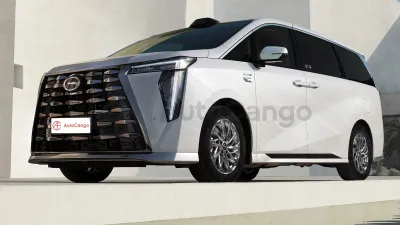
GAC Unveils 3 New Models at Auto China 2026 — GCC Launch Coming
GAC debuted three global models at Auto China 2026 in Beijing, targeting GCC expansion with affordable EVs, hybrids, and SUVs for UAE and Saudi buyers.
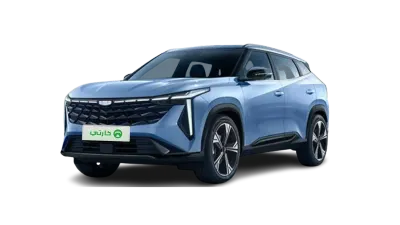
2026 Geely Cityray Launches in UAE Starting at AED 86,500
The 2026 Geely Cityray compact SUV has landed in the UAE from AED 86,500, boasting the segment's longest wheelbase, a 1.5L turbo engine, and a 540° camera — directly targeting the Kia Seltos.