
Uber-WeRide Robotaxis Launch in Dubai: Fully Driverless Now
Uber and Chinese autonomous vehicle company WeRide have launched a commercial fully driverless robotaxi service in Dubai, making it one of the first cities worldwide to offer such an operation without human safety operators. Passengers can now book rides without a human safety operator directly through the Uber app.
This isn't a limited pilot or a test with backup drivers. It's a fare-charging commercial operation that marks a significant leap forward for autonomous mobility. The service follows a successful pilot in December 2025 and a formal driverless vehicle trial permit issued by Dubai's Roads and Transport Authority (RTA) last month.

Why This Uber-WeRide Partnership Matters
The launch underscores a deep strategic partnership between the ride-hailing giant and the autonomous technology leader. Uber holds a 5.82% equity stake in WeRide, valued at approximately $150 million based on recent stock prices.
This investment began with a $100 million commitment last year. Uber's involvement increased significantly in May 2025 as part of a plan to expand robotaxi services to 15 more cities over the next five years.
“Bringing fully driverless vehicles to Dubai is an important milestone in making autonomous mobility a global reality,” said Sarfraz Maredia, Uber’s global head of autonomous mobility and delivery. “This launch underscores our deep commitment to the UAE.”
How the Dubai Robotaxi Service Works
Riders in designated areas of Dubai can now open the Uber app and book a fully autonomous vehicle. The service is operated locally by Tawasul Transport, with WeRide providing the autonomous vehicle technology and Uber managing the routing and fleet integration.
There is no safety driver behind the wheel. The vehicles are operating under a commercial permit from the RTA, making Dubai one of the first cities globally to green-light such a service.
The operating model is similar to Uber's partnership with Waymo in the United States. Here, Uber handles the customer-facing app and network, while WeRide supplies the self-driving tech.
GCC Context: Dubai's Autonomous Leadership
This launch firmly positions Dubai and the UAE as a regional leader in adopting cutting-edge transportation technology. The GCC faces unique driving challenges, from extreme summer heat to complex city traffic and long desert highways.
Autonomous vehicles deployed here must be rigorously tested for these conditions. The RTA's permit indicates confidence in the system's ability to handle Dubai's specific environment.
The initial service areas include Dubai Silicon Oasis, Dubai Investment Park Second, Jabal Ali Industrial First, suburban zones, and Al Hamriya Port. These locations represent a mix of tech parks, industrial areas, and port logistics—ideal testing grounds for real-world applications.
For residents and visitors, it means a new, high-tech mobility option is now live. It's a tangible step toward the smart city future that Dubai has been championing for years.
What This Means for the Future of Ride-Hailing
The successful commercial launch in Dubai is just the beginning. Uber and WeRide have ambitious plans to scale this model. Their five-year roadmap includes expansion to 15 additional cities, with European markets likely on the list.
This partnership represents a significant shift in how ride-hailing networks are built. Instead of owning all the technology, Uber is partnering with the best autonomous driving firms to accelerate deployment.
The Dubai operation serves as a crucial proof point. If it proves safe, reliable, and popular, it will pave the way for rapid expansion across the GCC and beyond. Other regional cities will be watching closely.
What's Next for Robotaxis in the GCC?
Expect the service area in Dubai to expand gradually as the system collects more data and gains regulatory approval for new zones. The next logical step could be deployments in Abu Dhabi or other Emirates.
The success of this venture could also inspire similar partnerships across the region. Other ride-hailing platforms and autonomous vehicle companies may accelerate their own GCC plans.
For now, the message is clear: fully driverless robotaxis are no longer a futuristic concept in the Middle East. They're a reality you can book today in Dubai. This launch isn't just about new cars on the road—it's about redefining urban mobility for the entire region.
The era of autonomous ride-hailing in the GCC has officially begun.
Related Articles
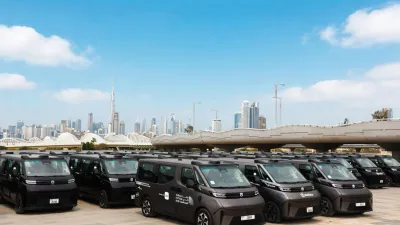
Uber and WeRide Launch Fully Driverless Robotaxi Service in Dubai
Dubai riders can now hail fully driverless robotaxis via the Uber app. Here's everything you need to know about the groundbreaking commercial service.
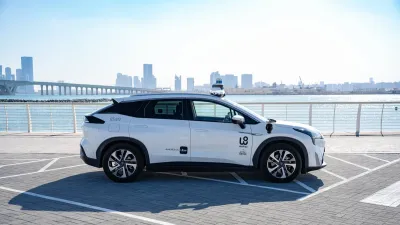
Just Launched: Uber and WeRide Deploy First Commercial Robotaxi Service in Downtown Abu Dhabi
Uber and WeRide launch the first commercial Robotaxi service in downtown Abu Dhabi, covering 70% of core urban areas. Book via Uber app now.
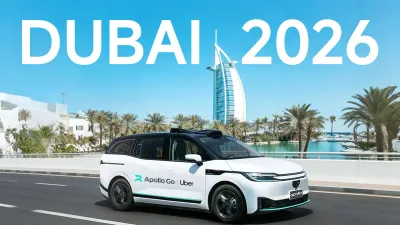
Just Launched: Baidu Apollo Go Robotaxis Hit Dubai Streets Via Uber
Baidu's Apollo Go robotaxis are coming to Dubai via the Uber app. Starting in Jumeirah, this driverless service marks a major leap for autonomous mobility in the GCC. Here's everything you need to know.