
Breaking: Toyota Slashes 40,000 Middle East Vehicle Exports Amid Iran Conflict
This article is about the
Toyota Toyota Land Cruiser 2026Toyota Motor will cut production of vehicles bound for Middle East markets by nearly 40,000 units across March and April 2026. The drastic reduction comes as logistical disruptions from the U.S.-led war against Iran and fears over the Strait of Hormuz closure threaten supply chains.
This represents 60-70% of Toyota's normal monthly export volume to the region, which typically ships around 30,000 vehicles each month. The cuts are split as approximately 20,000 units in March and another 18,000 in April.

Why Toyota's Middle East Production Cuts Matter
The Middle East is a crucial market for Toyota, particularly the GCC region. Models like the Land Cruiser, Fortuner, and Hilux are not just popular—they're cultural icons in markets like the UAE and Saudi Arabia.
But here's the thing: when geopolitical tensions disrupt shipping routes, even automotive giants feel the pinch. The Strait of Hormuz serves as a critical chokepoint for global trade, with about 20% of the world's oil passing through daily.
Toyota isn't alone in facing these challenges. Other automakers including Hyundai, Chery, and Stellantis also face significant risks from supply chain disruptions and rising costs. However, Toyota has been highlighted as particularly exposed in some analyses due to its massive Middle East presence.
Which Toyota Models Are Most Affected?
The production cuts primarily target vehicles built at Japanese plants specifically for Middle Eastern markets. This includes:
- SUVs like the Land Cruiser — the undisputed king of GCC roads
- Popular sedans including the Camry and Corolla
- Light commercial vehicles vital for regional businesses
These aren't minor trim adjustments. We're talking about nearly 40,000 vehicles that won't reach Middle Eastern showrooms during the two-month period. For context, that's enough cars to fill multiple massive cargo ships.
And the ripple effects are already spreading. Pakistani assembler Indus Motor Company has warned of delays in imported components and CKD kits, showing how regional manufacturing partners are feeling the impact.
The GCC Impact: What Buyers Need to Know
If you're shopping for a new Toyota in Dubai, Riyadh, or Kuwait City, here's what this means for you. Expect potential delivery delays and reduced inventory at local dealerships.
Toyota dominates GCC markets with market shares often exceeding 30% in some countries. The Land Cruiser alone accounts for a significant portion of luxury SUV sales across the region. With production cuts of this magnitude, showroom availability could tighten considerably.
No official pricing changes have been announced yet for 2026 models. But basic economics suggests that reduced supply coupled with steady demand could lead to price pressures. Dealers might have less room for negotiation, and popular models could see longer waiting lists.
The timing is particularly challenging as the region approaches summer—traditionally a busy period for vehicle purchases as families prepare for travel and residents seek reliable transportation for the extreme heat.
How the Iran Conflict Disrupts Auto Supply Chains
The U.S.-led war against Iran has created a perfect storm for automotive logistics. The Strait of Hormuz isn't just an oil passage—it's a critical route for finished vehicles and automotive parts moving from Asian factories to Middle Eastern markets.
When shipping companies face heightened insurance costs, rerouting requirements, or outright closures, everyone pays. Literally. Rising oil prices affect energy-intensive manufacturing in Japan (which imports 90% of its oil), South Korea (70%), and China (which gets 84% of its Gulf crude via Hormuz).
For automakers, this means higher production costs even before vehicles leave the factory. For consumers, it could mean higher prices down the line if the situation persists.
What Other Automakers Are Facing
Toyota might be making headlines, but they're not the only company navigating these troubled waters. Hyundai has substantial Middle East operations and could face similar challenges. Chinese automaker Chery has been expanding aggressively in the region and relies on similar shipping routes.
Stellantis—the parent company of Jeep, Ram, and other popular Middle East brands—also faces risks from supply chain disruptions. The difference is scale: Toyota's Middle East exports represent such a significant portion of its global strategy that any disruption hits particularly hard.
Here's the reality: when the world's largest automaker cuts production by 40,000 units for a specific region, everyone in the industry takes notice. Competitors might adjust their own production schedules, pricing strategies, or inventory management approaches in response.
What Happens Next for GCC Car Buyers?
The immediate future depends on how long the geopolitical tensions persist. Toyota hasn't provided guidance beyond April 2026, but if the Strait of Hormuz situation deteriorates further, additional production cuts could follow.
For now, here's what you should do if you're in the market for a new Toyota:
- Contact your local dealership for specific delivery timelines
- Consider alternative models if your first choice faces extended delays
- Factor in potential price adjustments when budgeting for your purchase
Toyota's regional offices in the GCC haven't released official statements yet, but dealership networks are likely already adjusting their expectations. Some might prioritize existing orders over new ones, while others could adjust their promotional activities.
The broader impact on the GCC automotive market could be significant. If Toyota availability shrinks, buyers might turn to competitors—potentially boosting sales for brands like Nissan, Mitsubishi, or Hyundai in the short term.
The Bottom Line: Prepare for Changes
Toyota's production cuts represent more than just a temporary supply issue. They're a stark reminder of how geopolitical events thousands of kilometers away can directly impact what's available in your local showroom.
While no one can predict exactly how this will play out, GCC car buyers should brace for potential delays, tighter inventory, and possible price adjustments on popular Toyota models. The iconic Land Cruiser might become even harder to get, while everyday workhorses like the Hilux could see extended waiting periods.
The situation remains fluid, and Toyota will likely provide more clarity as the geopolitical landscape evolves. For now, if you've been considering a new Toyota purchase, this might be the time to have that conversation with your dealership—before the full impact of these production cuts reaches showroom floors across the GCC.
More about this car:
Related Articles
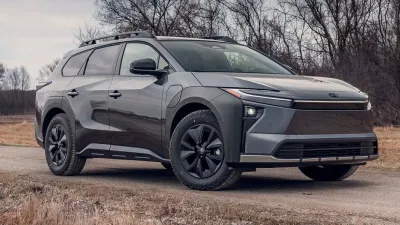
2026 Toyota bZ Woodland: Electric Adventure SUV Heads to GCC
The 2026 Toyota bZ Woodland is a rugged, dual-motor AWD electric SUV with 375 hp and off-road credentials — and it's generating buzz for UAE and Saudi markets. Here's everything we know.
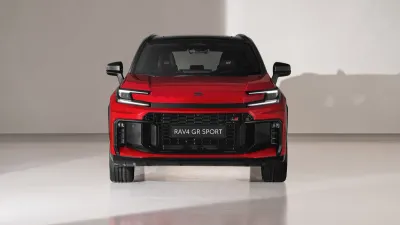
2026 Toyota RAV4 Goes Hybrid-Only: GCC Arrival, Specs & Prices
The 2026 Toyota RAV4 ditches pure petrol for a hybrid-only lineup heading to GCC dealerships. Here's everything on specs, pricing estimates, and when you can drive one.
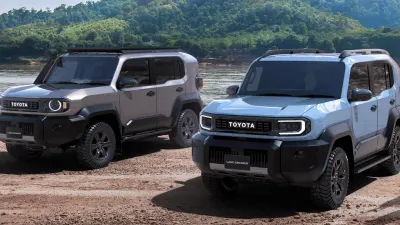
2026 Toyota Land Cruiser FJ: 7 Things GCC Buyers Need to Know
Toyota has unveiled the 2026 Land Cruiser FJ — a compact, body-on-frame off-roader built for the GCC. Here's everything we know about specs, design, and availability.