
Shell and BYD Just Launched the World's Largest EV Charging Hub — 258 Ultra-Fast Stalls
Shell and BYD have officially unveiled the world's largest electric vehicle charging mega-hub in Shenzhen, China. This groundbreaking facility features 258 ultra-fast charging stalls and represents a massive leap forward in EV infrastructure globally.
Located just 2.5 kilometers from Shenzhen Bao'an International Airport, this hub has already won the "Best EV Hub in the World 2025" award. It's not just big—it's a complete reimagining of what refueling stations can become in the electric age.
Here's what makes this announcement so significant for every market, including the GCC.

A New Era for EV Charging Infrastructure
Traditional charging stations typically offer 10 to 20 stalls. This Shell-BYD facility operates at an entirely different scale with 258 high-speed charging points. The hub can serve approximately 3,300 electric vehicles per day at full capacity.
But the real story isn't just the size—it's the experience. The facility includes a cafe, lounge area, convenience store, and dedicated spaces for professional drivers. There's even a rooftop solar installation that generates 300,000 kWh of clean energy annually.
This represents a strategic pivot by oil majors like Shell toward EV infrastructure at what can only be described as "fuel-terminal scale." For regions transitioning from oil dependence, this model offers a compelling blueprint.
The Technology Breakthrough: 70% Charge in 5 Minutes
The mega-hub showcases BYD's second-generation Blade Battery 2.0 technology paired with a revolutionary 1,500 kW "flash" charger. The numbers are staggering: 70% charge in just 5 minutes, 97% charge in 9 minutes.
That 9-minute charge translates to over 1,000 kilometers of range for compatible vehicles. Even in extreme cold conditions of -30°C, the system achieves 97% charge in just 12 minutes—a critical consideration for any climate.
This charging speed effectively eliminates one of the last remaining barriers to mass EV adoption: charging time. When you can add substantial range in the time it takes to grab a coffee, range anxiety becomes a thing of the past.
What This Means for the GCC Electric Vehicle Market
The GCC has been accelerating its EV infrastructure rollout at an impressive pace. The UAE recently opened what it described as "one of the world's largest EV charging hubs," while Dubai's network has expanded to 1,860 charging points across the emirate.
This Shell-BYD development signals the next phase of global EV infrastructure scaling—one that the GCC markets are perfectly positioned to adopt. The region's strategic location, existing fuel station networks, and ambitious electrification goals align perfectly with this mega-hub model.
Consider the practical implications for GCC drivers. Summer heat and long desert drives have traditionally raised concerns about EV viability. Ultra-fast charging that works reliably in extreme temperatures directly addresses these regional specific challenges.
The timing couldn't be more relevant. With recent fuel price volatility in the UAE and broader GCC, the economic case for electric mobility grows stronger by the day. Infrastructure at this scale makes that transition more practical than ever before.
The Bigger Picture: Shell and BYD's Global Ambitions
This Shenzhen mega-hub is just the beginning. BYD plans to deploy 20,000 such lightning charging stations across China by the end of 2026. Global expansion is already on the roadmap, with partnerships like this Shell collaboration paving the way.
For the GCC, this means two things. First, vehicles compatible with this ultra-fast charging technology will increasingly enter regional markets. Second, the infrastructure model itself could be replicated by local energy companies and automakers.
Imagine similar facilities along the UAE's E11 highway between Abu Dhabi and Dubai, or at major shopping destinations like Dubai Mall or Yas Mall. The convenience factor would transform the EV ownership experience overnight.
How This Compares to Current GCC Charging Infrastructure
While specific charging speeds vary across the GCC's existing networks, most current installations operate at significantly lower power levels. The typical fast charger in the UAE delivers 50-150 kW, requiring 30-60 minutes for substantial charging.
This new 1,500 kW technology represents a 10x to 30x improvement in charging speed. It's not just an incremental upgrade—it's a paradigm shift that could make EV charging faster than filling a gasoline tank.
The amenity-rich approach also aligns with the GCC's hospitality-focused culture. Charging hubs with comfortable lounges, quality food and beverage options, and premium services would resonate strongly with regional consumers.
The Road Ahead for EV Adoption in the GCC
Shell's involvement is particularly noteworthy for oil-producing regions. When a global energy giant of Shell's stature invests at this scale in EV infrastructure, it sends a powerful signal about the future of transportation energy.
For GCC policymakers and investors, this development provides a proven template. The combination of ultra-fast charging, renewable energy integration, and premium amenities creates a compelling business case beyond just the charging revenue.
The next 12-24 months will likely see announcements about similar large-scale charging projects in the GCC. Whether through partnerships with Chinese automakers like BYD, or through local energy companies adapting the model, the direction is clear.
The bottom line: EV charging is about to undergo a revolution in speed, scale, and user experience. The Shell-BYD mega-hub in Shenzhen isn't just a Chinese development—it's a glimpse into the near future of transportation infrastructure worldwide.
When Could We See Similar Hubs in the GCC?
While no official announcements have been made about exact replicas in the GCC, the region's rapid embrace of EV technology suggests similar developments could emerge sooner than many expect. Dubai's EV infrastructure strategy aims for 30% of all vehicles to be electric by 2030.
Major energy companies in the GCC have already begun diversifying into electric mobility. The logical next step is large-scale, high-amenity charging hubs at strategic locations—highway corridors, airports, and major urban centers.
The technology itself could arrive through multiple channels: direct partnerships with BYD, licensing agreements, or through other automakers developing compatible ultra-fast charging systems. The competitive landscape is accelerating dramatically.
One thing is certain: the race to build the GCC's equivalent of this record-breaking charging hub has officially begun. And for EV drivers across the region, that's very good news indeed.
Related Articles
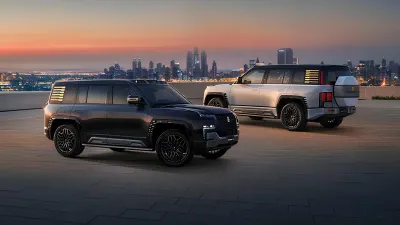
BYD Yangwang Ultra-Luxury Brand Coming to GCC in 2026
BYD's ultra-luxury Yangwang brand launches in the UAE in early 2026, starting with the U8 Arabian Edition at AED 650,900. Here's everything we know about the GCC rollout.
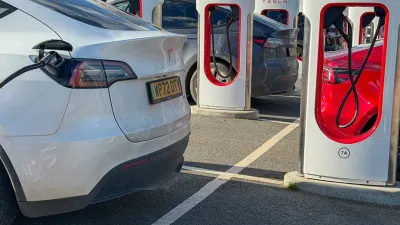
Tesla Makes Supercharging Free in UAE, Saudi, Qatar Amid Iran Conflict
Tesla activates free Supercharging across GCC in response to Iran conflict. Find all locations, duration, and how it helps EV owners during regional tensions.
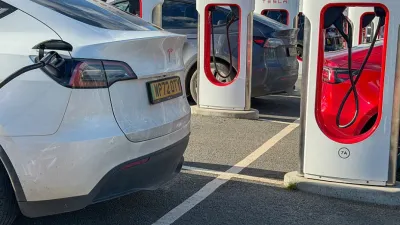
Tesla Enables Free Supercharging Across UAE, Saudi Arabia, and Qatar
Tesla has temporarily enabled free Supercharging at over 30 stations across the UAE, Saudi Arabia, and Qatar. Find out which locations are included and how long it lasts.