
Saudi Arabia's Car Market Grows 3.7% in 2025, Emerging as Global Automotive Trendsetter
Saudi Arabia's automotive market grew 3.7% in 2025, solidifying its position as one of the Middle East's largest and most influential car markets that's now redefining global automotive demand and forcing manufacturers to adapt with faster innovation and localization.
The Kingdom's combination of high-volume sales, sophisticated buyers, and unique market demands is creating ripple effects across the global automotive industry. With a large population, strong purchasing power, and car-dependent lifestyle, Saudi Arabia has become a market that manufacturers can no longer afford to ignore.

Why Saudi Arabia Matters in Global Automotive Trends
Here's the thing: Saudi buyers are increasingly sophisticated, prioritizing technology, comfort, brand credibility, and long-term value over basic transportation needs. This shift is forcing global manufacturers to accelerate innovation cycles and localization efforts specifically for the GCC region.
The market's sheer scale is undeniable. In 2022 alone, Saudi Arabia imported 850,000 vehicles valued at SAR 90 billion, with the aftermarket sector growing 11% year-over-year in 2023 to employ 350,000 people. By 2025, the aftermarket is projected to reach SAR 90 billion.
But that's not all. Saudi Arabia's implementation of Euro 6 emissions standards since 2022 and its 5% import tariff on fully built vehicles are shaping how manufacturers approach the market, pushing for more localized production and cleaner technologies.
2025 Sales Performance: Winners and Losers
The full-year 2025 data reveals fascinating trends. Toyota maintained its dominant position with 28.6% market share, growing 4.9% year-over-year. Hyundai secured second place with 6.5% growth, while Kia took third with an impressive 9.3% increase.
Ford showed remarkable momentum with 12.5% growth to claim fourth position, followed by Nissan in fifth despite a 1.1% decline. The biggest growth story came from Mazda, which surged 17.5% to seventh place.
The best-selling model of 2025 was the Hyundai Accent, which grew 15.3% year-over-year. The Toyota Yaris Sedan, while second in sales, saw a significant 23.2% decline, indicating shifting consumer preferences in the compact segment.
SUV Dominance and Luxury Growth
SUVs continue to dominate Saudi sales due to road conditions, long-distance travel, and family needs. The Toyota Land Cruiser remains an iconic presence, but buyers are now demanding more than just rugged capability.
Advanced driver assistance systems (ADAS), premium interiors, and improved fuel efficiency have become non-negotiable features for Saudi SUV buyers. This evolution is pushing manufacturers to equip even their most traditional models with cutting-edge technology.
And the best part? The luxury segment is growing rapidly, with luxury vehicles seen as symbols of success and lifestyle choices rather than mere transportation. Strong aftersales support and resale value have become key drivers of brand loyalty in this competitive space.
EV Adoption: Slow but Steady Progress
The electric vehicle sector presents a complex picture. While EV adoption remains in early stages, it's accelerating with government initiatives, infrastructure development, and increasing awareness.
In 2025, the EV segment grew only 0.8% to reach 3% market share. Lucid maintained its position as the top EV brand despite a 36.4% decline, followed by Hyundai with a 48% drop. BYD is showing promising growth as it gains traction in the market.
Pragmatic Saudi buyers are focusing on range, charging infrastructure, reliability, and trusted brands when considering electric vehicles. This cautious approach is forcing EV manufacturers to address real-world concerns rather than just promoting environmental benefits.
Vision 2030: Driving Localization and Innovation
Saudi Arabia's Vision 2030 is fundamentally reshaping the automotive landscape. The Kingdom's ambitions to become an EV hub and manufacturing center are gaining momentum amid a resilient non-oil economy.
Manufacturers are responding to localization pressures by establishing regional headquarters, increasing local assembly, and tailoring products specifically for Saudi consumers. This trend is expected to accelerate as the Kingdom continues to diversify its economy.
The combination of government incentives, growing consumer sophistication, and strategic geographic positioning makes Saudi Arabia an increasingly attractive market for automotive investment and innovation.
What This Means for GCC Car Buyers
For consumers across the GCC, Saudi Arabia's growing influence means better products, faster technology adoption, and more competitive pricing. As manufacturers prioritize the Saudi market, neighboring countries benefit from the same innovations and improvements.
The emphasis on advanced safety features, premium interiors, and fuel-efficient SUVs reflects broader GCC consumer preferences, making Saudi Arabia a bellwether for regional automotive trends.
Looking ahead, expect to see more manufacturer announcements about Saudi-specific models, expanded dealership networks, and enhanced aftersales services as the competition intensifies in this crucial market.
The Bottom Line
Saudi Arabia's 3.7% market growth in 2025 might seem modest, but it represents something much larger: the Kingdom's emergence as a global automotive trendsetter. With sophisticated buyers, unique demands, and government-backed ambitions, Saudi Arabia is forcing the global automotive industry to listen and adapt.
Manufacturers who understand and respond to Saudi preferences will not only succeed in the Kingdom but will likely find those same adaptations resonating across emerging markets worldwide.
Source: carbookmagazine.com, focus2move.com, worldmetrics.org
Related Articles
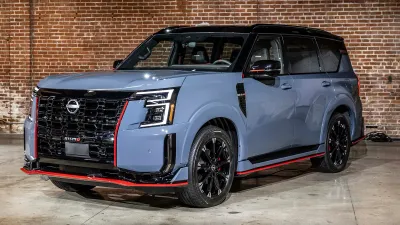
Nissan Announces Major NISMO Initiatives in Saudi Arabia
Nissan and NMC reveal new motorsports expansion and NISMO lineup growth as part of the Re:Nissan strategy, announced in Jeddah to strengthen brand power across GCC markets.

Ceer Signs SAR 5.5 Billion in Saudi Deals to Accelerate 2026 EV Launch
Saudi Arabia's first EV brand Ceer secures 11 partnerships worth SAR 5.5 billion with local firms to build supply chain ahead of 2026 model launch.
Ceer Confirms Late 2026 Production Start for Saudi Arabia's First EVs
Saudi Arabia's homegrown EV brand Ceer will begin manufacturing its first electric vehicles in late 2026 at its $1.3 billion King Abdullah Economic City plant.