
Ferrari Middle East Deliveries Resume After War Disrupts Logistics
Ferrari has officially resumed deliveries of new cars to Middle Eastern markets after logistical disruptions caused by regional conflicts temporarily halted shipments. The Italian luxury marque is restarting shipments in the coming days, marking a swift recovery from war-related supply chain challenges.
This development signals a crucial return to normalcy for high-net-worth clients across the GCC who have been awaiting their dream cars. The disruption, while significant, proved to be a temporary hurdle for a brand synonymous with exclusivity and performance.
Here’s the full story on what happened, how Ferrari adapted, and what buyers in the UAE, Saudi Arabia, and beyond can expect now.

What Caused the Ferrari Delivery Delays?
The delays stemmed directly from the ongoing regional conflict, which disrupted critical transportation corridors. Giorgio Turri, Managing Director of Ferrari Middle East, outlined the twin challenges.
“There has been disruption in the logistic processes… with transportation, maritime transportation on the one hand, and air freight on the other,” Turri confirmed.
Maritime routes through strategic chokepoints like the Strait of Hormuz became complicated, forcing shipping companies to reroute entire consignments. Simultaneously, airspace closures impacted the air freight option that often supplements supercar deliveries.
The scale was substantial. At one point, over 4,000 luxury vehicles destined for Dubai alone were rerouted to Lamu Port in Kenya—a vivid example of the logistical gymnastics required. This wasn't a Ferrari-only issue but a broad challenge for the entire luxury automotive sector moving goods into the region.
How Ferrari Adapted Its Logistics
Ferrari’s regional team, with nearly 20 years of direct operation in the Middle East, quickly activated contingency plans. The strategy was twofold: reroute sea freight and leverage air freight where possible and safe.
“Solutions are in place, and as we speak, we are planning for shipments… after experiencing some temporary delays, we are restarting with shipments and deliveries,” Turri stated.
The company’s deep regional experience allowed for agile decision-making. While the rerouting added time and complexity, it ensured that vehicles remained in the pipeline rather than stuck at origin ports. Crucially, Ferrari’s retail and after-sales service operations across the GCC remained fully functional throughout.
Customers could still visit showrooms, place orders, and service their existing cars without interruption. This operational stability helped maintain confidence during the shipping uncertainty.
Middle East Demand Remains Unshaken
Perhaps the most telling detail is what didn't happen: order cancellations. Despite the delays, Ferrari reported zero confirmed order cancellations since the conflict began.
Demand in the region remains robust and stable, with new clients continuing to enter the Ferrari family. This resilience underscores the brand's unique position in the GCC luxury landscape.
“The issue depends on the current situation and the conflict. Shipping companies have to reroute some of the shipments in order to cope with this,” Turri explained, separating temporary logistics from fundamental demand.
The data supports this strength. Historically, 30-40% of new Ferrari deliveries in the Middle East go to first-time owners. For pre-owned models, that figure jumps to over 50%. Owning a Ferrari is often described as fulfilling a lifelong “dream”—a purchase decision insulated from short-term logistical headaches.
This sentiment is particularly strong in markets like the UAE and Saudi Arabia, where performance cars are a key part of the automotive culture. The desert highways and growing track scene make the region a natural home for Ferrari's engineering marvels.
What Ferrari Buyers Can Expect Next
With contingency measures active and shipments restarting, clients with pending orders should expect communication from their local dealerships regarding updated timelines. The "coming days" timeframe indicates a rapid ramp-up to clear the backlog.
Prospective buyers can walk into any Ferrari showroom in the GCC today and place an order with confidence. The pipeline is reopening, and the brand's commitment to the region is unwavering after over three decades of retail presence.
The broader takeaway is the resilience of the luxury automotive sector in the face of regional instability. While logistics networks can be disrupted, the underlying appetite for flagship performance cars in the GCC appears unshakable. This stability aligns with wider economic visions, like Saudi Arabia's Vision 2030, which continues to fuel demand for high-end goods and experiences.
For Ferrari, the immediate focus is on executing the renewed delivery plan seamlessly. The company has navigated the disruption without losing a single sale—a powerful testament to the strength of its brand and the loyalty of its clientele in the Middle East.
And the best part? The dream remains fully intact, now just a short wait away from your driveway.
Related Articles

Li Auto Enters UAE & Saudi Arabia: L-Series EREVs Land in the GCC
Li Auto signs deals with Al Fahim Motors (UAE) and Naghi Motors (Saudi) to bring its L6, L7, L8, and L9 EREV SUVs to the GCC — marking the brand's first Middle East entry.
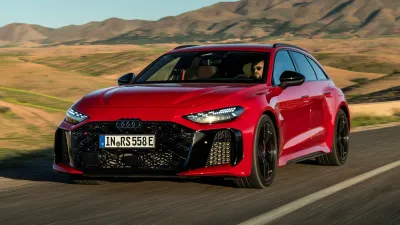
2026 Audi RS5 PHEV Debuts: 639 hp Hybrid Beast Heads to GCC
The 2026 Audi RS5 PHEV makes its global debut with 639 hp from a twin-turbo V6 and electric motor. GCC launch expected later in 2026 — here's everything we know.
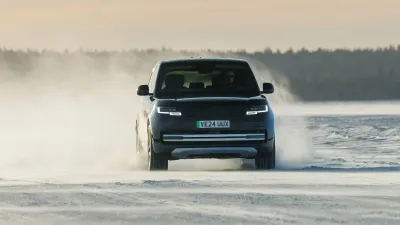
Range Rover Electric Delayed to 2026: What GCC Buyers Need to Know
JLR has pushed the all-electric Range Rover launch to 2026, citing extra testing. Here's what the delay means for UAE and Saudi buyers waiting on the flagship EV SUV.