
Dubai Luxury Car Sales Plummet 30% as Regional Conflict Bites
Dubai's luxury car market has hit a serious speed bump. In March 2026, prominent dealer F1rst Motors reported a staggering 30% drop in sales, a direct consequence of the regional conflict impacting buyer sentiment and logistics across the Gulf.
The slowdown comes just as showrooms reopened after brief closures, revealing a market suddenly gripped by caution. For a city known for its gleaming supercar showrooms and bespoke commissions, this drop signals a major shift in the high-stakes world of Gulf luxury.

The 30% Drop: What the Numbers Say
The figure comes straight from the showroom floor. F1rst Motors, a key player in Dubai's high-end automotive scene, confirmed the sharp decline in business activity for March. While ultra-high-end machines priced above $1.4 million (roughly AED 5.1 million) have seen sales stabilize, the overall market has contracted dramatically.
Foot traffic has dwindled, and the flow of bespoke orders—the lifeblood of profit margins for brands like Rolls-Royce and Bentley—has slowed to a trickle. This isn't just a seasonal dip; it's a conflict-induced chill on one of the world's most lucrative car markets.
Why Dubai's Luxury Market Matters
The Gulf, and Dubai in particular, isn't just another market for luxury marques—it's a critical profit center. Wealthy clients here don't just buy cars; they commission rolling works of art with gold leaf, custom embroidery, and motifs inspired by local culture. These one-off creations generate immense margins.
Bentley CEO Frank-Steffen Walliser summed up the mood to Reuters, noting that people in the region "have other thoughts than looking for a new Bentley at the moment." This sentiment reflects a broader prioritization of security and stability over discretionary supercar purchases.
For years, the Middle East has been a reliable bright spot, especially when other global markets softened. The sudden stall of this bespoke business is a significant financial blow to European manufacturers who rely on Gulf commissions for prestige and profitability.
Regional Conflict's Ripple Effect
The ongoing tensions have disrupted the entire luxury ecosystem. International shipping and logistics face delays, affecting the delivery of both new vehicles and the rare materials needed for custom interiors. Perhaps more critically, the conflict has severely curtailed regional travel.
Many of Dubai's luxury car buyers are international clients who fly in for consultations, viewings, and deliveries. With travel plans on hold, so are their purchases. Some ultra-wealthy individuals have taken the extreme step of airlifting their existing hypercars out of the region at great cost, a clear sign of unease.
The timing couldn't be worse. Global luxury car sales in China, Europe, and the US are also facing headwinds, removing potential buffers. Brands like Ferrari and Maserati had already paused deliveries temporarily, and while some have resumed, the overall market momentum has been lost.
The Bespoke Business Stalls
This is where the pain is most acute. Dubai acts as a hub for the most extravagant commissions. Think of the Rolls-Royce Phantom Arabesque with its intricate Mashrabiya woodwork pattern, commissioned through local dealers. These projects involve constant back-and-forth between client, dealer, and factory.
That process has now stalled. Without the steady stream of wealthy visitors and a sense of calm, the complex, months-long dance of creating a million-dollar one-off grinds to a halt. The dealer confirmed that while multi-million-dollar sales are still happening, the volume of business has fallen off a cliff.
The impact extends beyond the showroom. Local detailing shops, storage facilities, and even high-end fuel stations that cater to this clientele feel the pinch. The luxury car economy is interconnected, and a 30% drop at a major dealer sends shockwaves through the whole network.
What's Next for Gulf Luxury Car Sales?
The immediate future is uncertain. The stabilization of sales for cars above AED 5.1 million suggests that the ultra-wealthy core market is resilient, but not immune. Recovery is entirely tied to the resolution of regional tensions and the return of a sense of normalcy and safe travel.
Dealers and brands are likely in a holding pattern, focusing on servicing existing clients and maintaining relationships until the geopolitical clouds clear. The pent-up demand from a region with a deep-seated passion for automotive excellence is undeniable.
Once stability returns, the rebound could be swift. The fundamental appeal of Dubai as a luxury playground and a gateway for bespoke commissions hasn't vanished. For now, however, the keys to recovery are held not in showrooms, but in the realm of regional diplomacy and security.
The coming months will be a crucial test for the resilience of the Gulf's luxury auto market. One thing is clear: the days of taking this high-margin haven for granted are over.
Related Articles
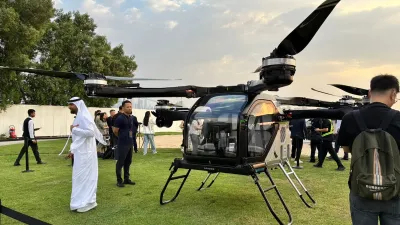
ARIDGE Flying Car Secures 600 GCC Orders After Dubai Manned Flight
ARIDGE's Land Aircraft Carrier flying car completes first public manned flight in Dubai, landing a record 600-unit GCC order. Here's everything we know about specs, pricing, and delivery timelines.
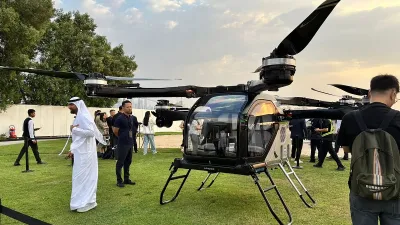
Aridge Flying Car Completes First Manned Dubai Test with 600 GCC Orders
Chinese eVTOL maker Aridge has completed its first manned test flight in Dubai, securing 600 bulk orders from GCC companies. Deliveries start 2026.
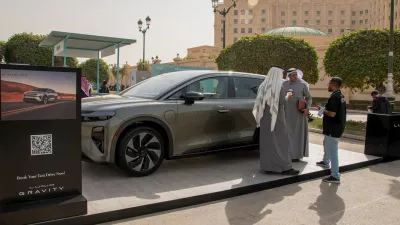
Lucid Starts Full EV Manufacturing in Saudi Arabia by End-2026
Lucid Motors confirms its KAEC plant will transition to full EV manufacturing by end-2026, ramping to 150,000 units/year by 2029 — a major milestone for Saudi Arabia's Vision 2030.